
Historical and Ethnohistorical Research
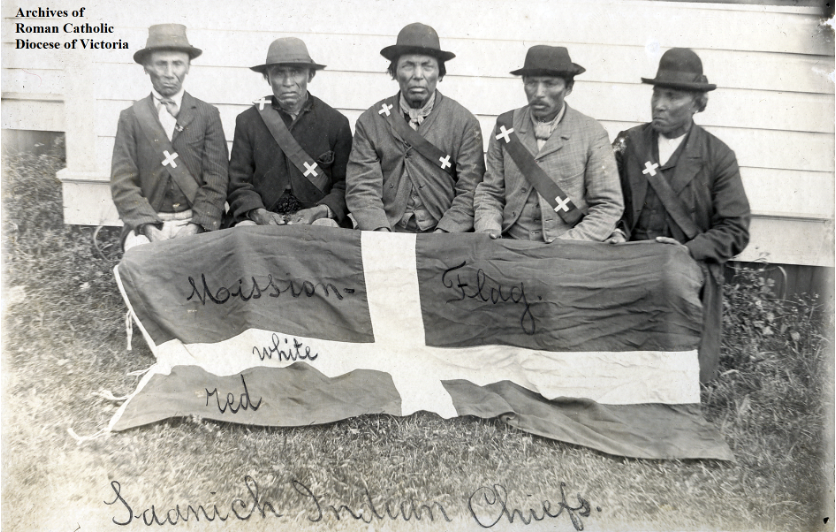
Our historical and ethnohistorical research is designed to support Indigenous governance, rights assertion, and informed decision-making in legal, regulatory, and policy contexts.
We examine history from multiple perspectives, drawing on a wide range of sources that are often underused or overlooked. This can include oral histories, community-held records, personal journals, professional correspondence, local collections, and archival materials held by churches, companies, and governments. By bringing these sources into conversation, we build a fuller and more accurate understanding of historical events and their ongoing effects.
Our research is guided by close collaboration with Chief and Councils, community staff, legal teams, and knowledge holders. Together, we identify priority questions, refine scope as new information emerges, and ensure the research remains aligned with community goals. Research plans are living documents—shared, transparent, and adapted as work unfolds.
A defining feature of our approach is careful cross-referencing of contemporaneous sources. By triangulating evidence across Indigenous and non-Indigenous records, we surface patterns, contradictions, and omissions that can reshape how history is understood and applied. This approach strengthens credibility while reducing reliance on any single narrative or archive.
We regularly translate complex findings into accessible formats through briefings, presentations, and written materials for leadership and community members. Where appropriate, we also support public history and legacy projects that help communities share, protect, and engage with their histories on their own terms.
Our historical and ethnohistorical research is frequently used to support land claims, litigation, and negotiations. We stand behind our work and can provide expert witness support when required.