
Case Study · HUL'Q'UMI'NUM NATIONS
Documenting the Cultural & Environmental History of Pacific Herring
Indigenous Knowledge Research & Film
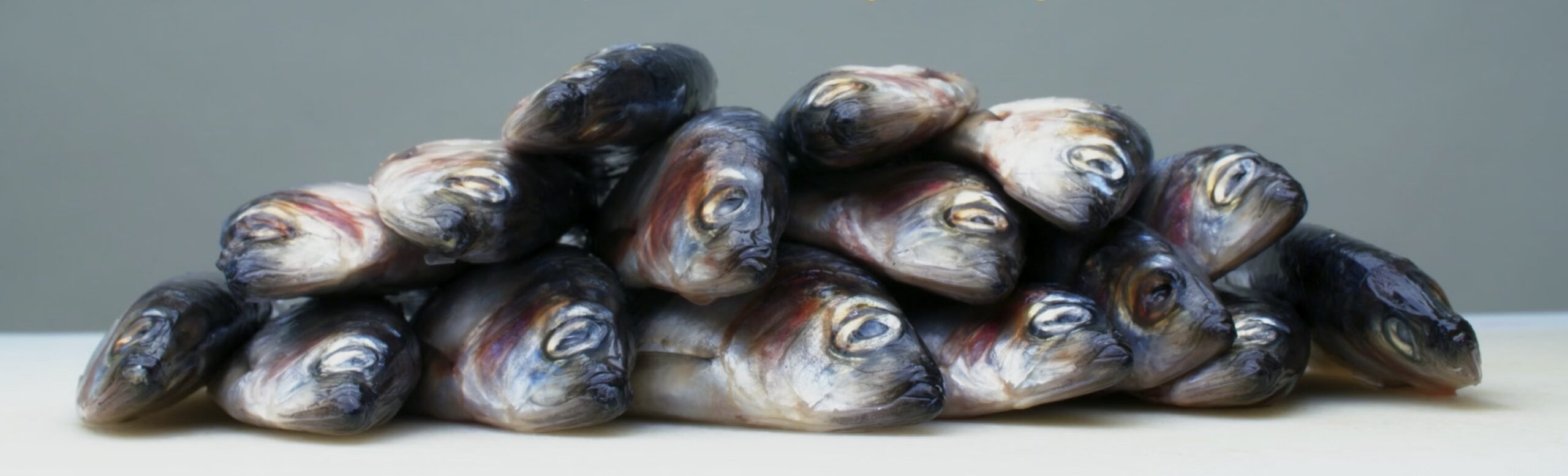
Pacific herring — or slhewut — is a cultural keystone species for Hul’q’umi’num communities, central to food systems, ceremony, and the broader marine environment. Q’ul-lhanumutsun Aquatic Resources Society (QARS) needed to bring Hul’q’umi’num knowledge of herring into DFO’s herring management process, and to build their own capacity for community-based Indigenous Knowledge research — while working within the constraints of COVID-19.
Trailmark worked with QARS to build a digital survey tool within their Trailmark system, enabling remote community engagement that was safe, respectful, and replicable for future projects. Alongside the survey, Trailmark conducted interviews with Hul’q’umi’num harvesters, knowledge holders, and retired DFO biologists, and gathered and organized 75 existing ethnographic and archival sources into QARS’s digital archive. Spatial analysis tools were used to map traditional harvest areas, spawn locations, and changes in herring presence over time — weaving together Indigenous knowledge, historical records, and DFO data.The result was a comprehensive case study report documenting the cultural and environmental history of slhewut across six Hul’q’umi’num communities, alongside a reusable survey model and a growing knowledge archive that QARS can continue to draw on. This work also gave rise to SLHEWUT, a short film featuring knowledge holders from Cowichan Tribes, Penelakut Tribe, and Stz’uminus First Nation sharing their relationships with herring in their own words.